What Is the Best Resolution for Security Cameras?
January 26, 2026
Choosing the appropriate resolution for a security camera affects how well you can see faces, license plates, and suspicious activities. Resolution defines video sharpness, which affects everything from detail capture to storage utilization. While increased resolution typically results in better image quality, it also necessitates more storage space and faster internet speed. The optimal resolution depends on where and how the camera will be used—home entryways, vast yards, inside areas, and commercial premises all have various requirements. This tutorial discusses what resolution truly means, how it impacts performance, and which level is best suited to your individual security monitoring needs.
What Does Security Camera Resolution Mean in Real Use?
How Resolution Affects Image Clarity and Detail
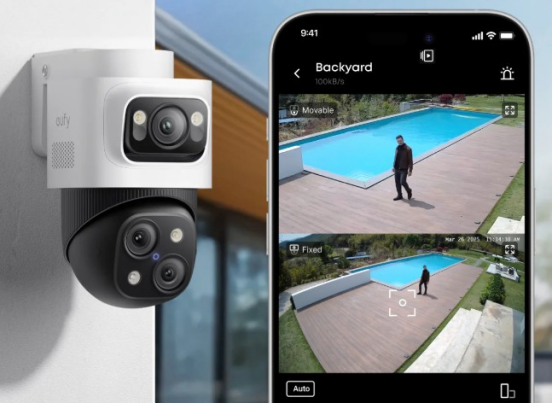
The number of pixels in a video picture is known as its resolution. A camera’s resolution determines how much detail it can capture. For example, a 1080p (Full HD) camera captures at 1920 x 1080 pixels, which is adequate for ordinary home surveillance. A 2K or 4K camera offers greater clarity, particularly when zooming in to identify faces or license plates. Details such as tattoos, clothing patterns, and little item motions become more visible as the resolution increases. However, higher image quality leads to larger file sizes and more bandwidth utilization. Always strike a balance between clarity, storage, and system capabilities to guarantee your film stays seamless and accessible over time.
Resolution vs Field of View and Zoom Performance
Higher resolution improves both clarity and digital zoom capability. More pixels allow you to zoom in deeper without sacrificing clarity. This is crucial for detecting faces or objects in large monitoring zones. However, resolution and field of vision (FOV) must be compatible. A wide-angle lens can cover more ground, but it may decrease pixel density in any given location, making it difficult to capture tiny details. In contrast, a narrow lens with high resolution focuses closely and captures clear footage across a limited area. When selecting a camera, consider both resolution and viewing angle to find the best balance for your unique coverage region.
Common Resolution Terms Explained Simply
Security camera resolutions are commonly branded as 720p, 1080p, 2K, or 4K. A 720p (HD) camera’s resolution is 1280 × 720 pixels, which is suitable for small interior areas but is restricted in clarity. 1080p (Full HD) resolution is 1920 x 1080 pixels, which provides more detail for front doors, corridors, and tiny yards. 2K resolution (2560 x 1440) improves clarity and is great for recording faces and license plates from a distance. 4K (3840 x 2160) resolution provides ultra-high definition and is ideal for vast outdoor areas or commercial monitoring. More pixels offer better video quality, but they also demand more storage, bandwidth, and computing power.
What Is the Best Resolution for Different Security Needs?
1080p Cameras for Basic Home Monitoring
A 1080p camera is frequently the finest combination of quality and effectiveness for regular home security. It records crisp video with sufficient detail to monitor front porches, driveways, and entryways without consuming excessive storage or network resources. Most low-cost and mid-range cameras utilize 1080p as the norm. It also works nicely with cloud storage plans and mobile streaming apps to provide seamless real-time watching and playing. Full HD provides dependable performance for those who wish to deter burglars, track deliveries, or keep an eye on family members and pets. Unless you want license-plate clarity from a distance, 1080p is usually adequate for most home surveillance purposes.
2K and 4K Cameras for Detailed Identification
2K and 4K cameras provide a noticeable advantage when catching tiny details such as facial characteristics, automobile plates, or suspicious activity from a distance. A 2K camera has 1.5 times the resolution of 1080p, resulting in clearer footage without a significant increase in file size. 4K provides four times the pixels of Full HD, resulting in superior clarity and zoom capabilities while playing. These high-resolution cameras are ideal for big properties, commercial sites, and locations where identification is critical. They do, however, demand more storage space and faster internet connections for distant viewing. If you need security footage that can stand up to investigations, 2K or 4K is the best option.
Indoor vs Outdoor Resolution Requirements
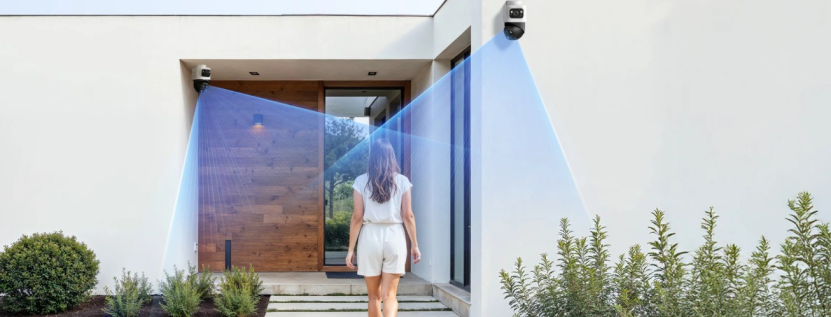
Indoor security cameras typically don’t need ultra-high resolution because they’re monitoring smaller, controlled spaces. A 1080p camera works well indoors, capturing living rooms, corridors, and workplaces in great detail. Outdoor settings, on the other hand, benefit from 2K or 4K resolution because of broader coverage zones and changing illumination. Outdoor cameras may need to record someone strolling across a driveway or parking lot, where distance and movement might impair visibility. Higher resolution prevents you from missing important information. Consider lighting conditions; outdoor cameras may require higher resolution to balance exposure throughout day and night changes. Match the resolution to the environment to avoid investing too little or too much in your setup.
Conclusion
The ideal resolution for a security camera is determined by your monitoring needs and installation circumstances. For basic home use, 1080p provides excellent quality while using minimal storage and bandwidth. If you want a more comprehensive film, particularly for larger outside regions or evidence collecting, 2K and 4K resolutions provide crisper images and more zoom. Keep in mind that increased resolution necessitates more powerful hardware and data storage. Don’t assume that bigger is always better—consider your space, coverage requirements, and viewing preferences. Understanding how resolution influences video performance allows you to make more informed purchasing selections and create a camera system that is both effective and efficient for long-term home or business safety.